
Tamworth Advanced Water Treatment Plant
NSW
A market-informed approach to delivery infrastructure for recycled water
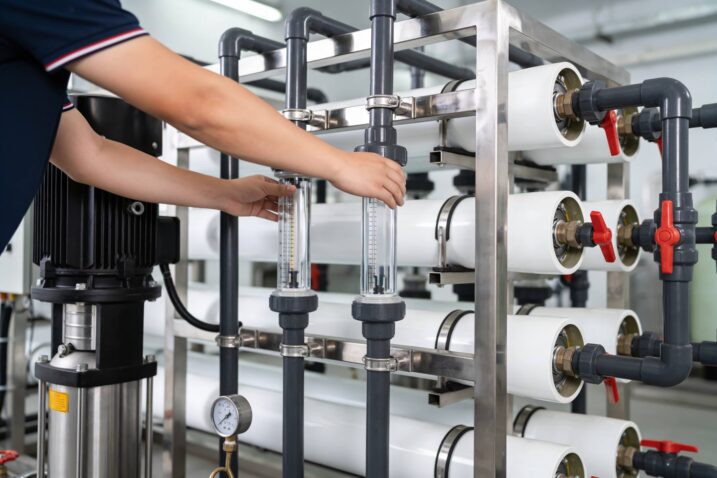
The Tamworth Advanced Water Treatment Plant is a New South Wales Government initiative designed to strengthen water security for the Tamworth region. By recycling water to potable standards for major industrial users, the project will reduce demand on the town’s drinking water system and help protect local supplies for the future.
RP Infrastructure supported the New South Wales Department of Climate Change, Energy, the Environment and Water (NSW DCCEEW) to undertake market sounding and assess packaging and delivery model approaches for the project to support the Full Business Case (FBC) development process.
The delivery model assessment was undertaken in a collaborative manner, with the project proponent and key stakeholders involved throughout. The assessment also included considerations to de-risk the project and ensure alignment with market conditions. By balancing stakeholder priorities with our delivery, operational, and market insights, we helped the project define a suitable, evidence-backed solution for project packaging and delivery.
The challenge
The Department investigated a critical water security initiative to improve water security outcomes for the community and businesses of Tamworth within a complex and evolving policy environment. The proposed Advanced Water Treatment Plant is a novel infrastructure project that aims to support the growth of local industries, while adding to water supply resiliency.
Developing the packaging approach and delivery model for the project required consideration of proponent needs and current market trends. This was done to ensure that the recommended delivery method would help reduce key project risks whilst being attractive to potential tenderers in the future. The delivery model methodology also needed to meet NSW Treasury and Infrastructure NSW assurance frameworks and the proponent’s operational philosophy.
Our solution
Our team worked in close partnership with key stakeholders and the proponent to provide commercial advice. We established and guided the project team through a structured approach to define the project packaging and delivery strategy.
We first defined assessment criteria that considered key project and proponent characteristics. The criteria considered subjects such as operational and delivery risks, value for money, and resource efficiency. This was undertaken in a collaborative workshop setting, during which packaging and delivery models were assessed against these criteria to arrive at a “strawman” solution.
This “strawman” packaging and delivery solution was then tested and validated through targeted market sounding. The market sounding captured direct feedback from a range of participants on project deliverability, risk allocation, commercial structuring, and other conditions impacting attractiveness to the market and value for money.
This provided the client and business case a clear evidence-based delivery approach, suitable to help inform an investment decision. The structured methodology undertaken by our team helped the client navigate an emerging infrastructure field, de-risk delivery and operations, and position the project for successful procurement and implementation.