
Aquatic centres have long played an important role in Australian communities.
They’re where people of all ages learn to swim, where local clubs train, where schools gather for carnivals, and where communities come together to stay active, connect, and recharge.
But today, aquatic facilities are becoming much more than just pools.
Across Australia, Councils, schools, and sporting organisations are rethinking what aquatic infrastructure can offer — creating broader recreation, wellbeing, and community destinations that support people of all ages and abilities. Modern facilities increasingly combine aquatic spaces with gyms, wellness areas, hospitality offerings, public open space, and flexible community facilities designed to activate precincts year-round.
At the same time, the expectations placed on these projects continue to grow.
Projects must balance community needs, operational performance, sustainability targets, accessibility, budget pressures, and long-term value — all while navigating increasingly complex delivery environments.
Whether it’s a new aquatic and leisure precinct, a refurbishment of an ageing facility, or the transition from gas to electric operations, successful projects rely on careful planning, strong coordination, and specialist expertise from the earliest stages.
RP Infrastructure and DCWC (now part of RP Infrastructure), have worked alongside clients across Australia to help deliver aquatic and recreation projects for decades that respond to these evolving demands, from major metropolitan precincts, to regional community facilities and leading independent schools.
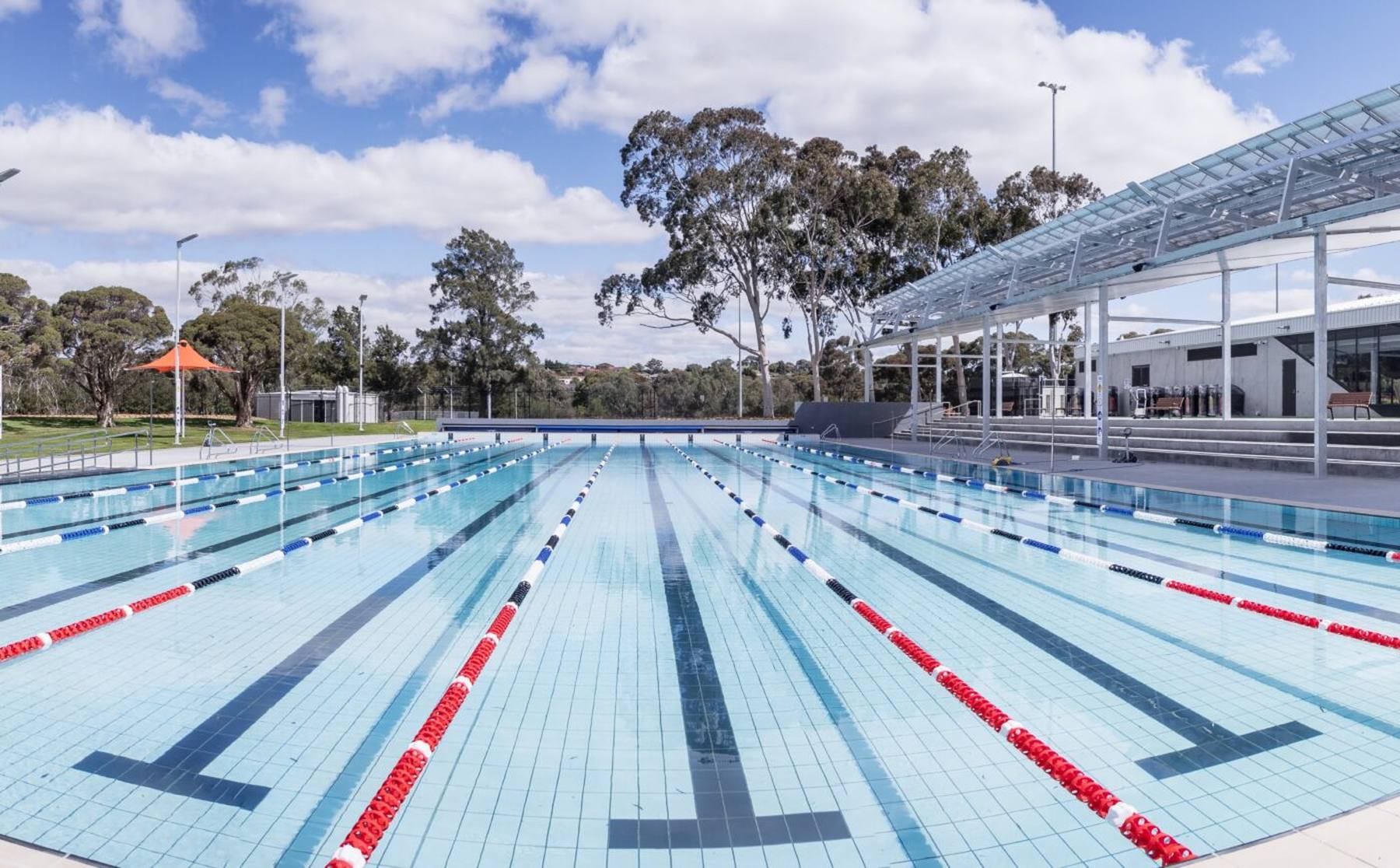
Oak Park Sports & Aquatic Centre, Victoria
No two aquatic projects are the same
Every aquatic project comes with its own unique challenges.
A regional community pool has very different delivery considerations to a large metropolitan leisure centre. School aquatic facilities must operate differently again, balancing student safety, campus operations, and long-term master planning requirements.
Refurbishment projects can often add another layer of complexity, particularly when facilities need to remain operational throughout construction.
Across every project, clients are balancing a wide range of priorities, including:
- Community expectations
- Budget and program pressures
- Sustainability goals
- Accessibility and inclusion
- Operational continuity
- Specialist aquatic systems
- Procurement and contractor capability
- Long-term operational performance
Many of the most important decisions are made long before construction begins. Establishing the right project team, procurement pathway, program, and delivery strategy early can significantly reduce risk and create stronger long-term outcomes.
This is particularly important in regional and growing communities, where contractor availability, supply chain pressures, and market conditions can all strongly impact project delivery.
Refurbishment and renewal are becoming increasingly important
Across Australia, many aquatic facilities are reaching a point where significant upgrades and renewal works are required to continue meeting community needs.
These projects are rarely straightforward.
Existing infrastructure, ageing plant systems, hidden conditions, and staging requirements all need to be carefully managed — especially when facilities must continue operating during construction.
Projects like the Fawkner Leisure Centre redevelopment in Victoria reflect this growing focus on renewal and modernisation. The project combined extensive refurbishment works with new aquatic and wellness facilities, while supporting the centre’s transition towards fully electric operations.
Similarly, works at Brunswick Baths in Victoria required careful staging within a live operating environment, allowing the facility to continue serving the community while critical upgrades were successfully delivered.
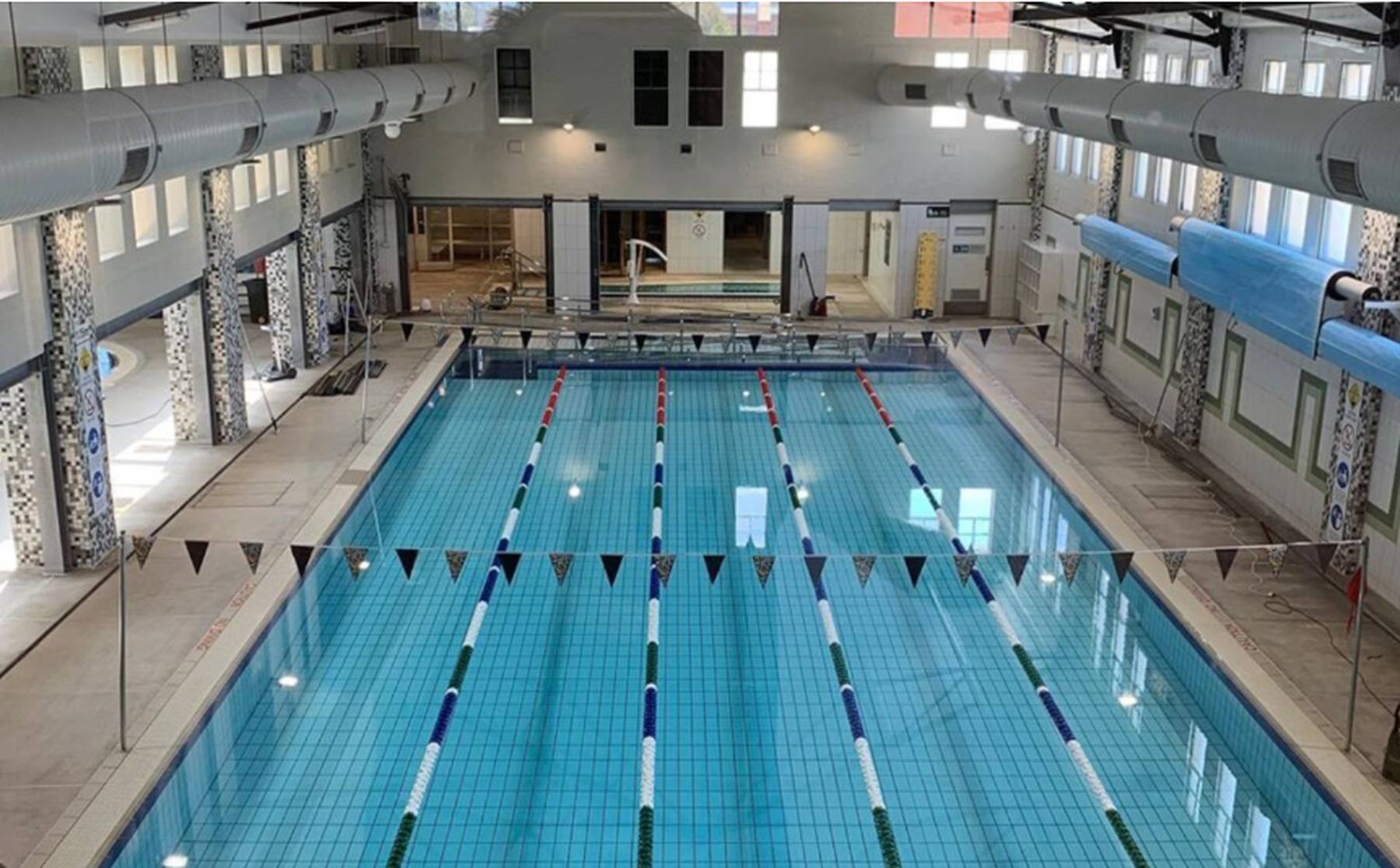
Brunswick Baths refurbishment, Victoria
Experience in both refurbishment and new build delivery is essential in helping projects navigate these challenges while maintaining focus on long-term operational performance and community outcomes.
Sustainability is reshaping aquatic infrastructure
Sustainability is now a major focus across the aquatic sector.
Councils, schools, and operators are increasingly looking at how their facilities can reduce emissions, improve efficiency, and transition away from traditional gas-powered systems.
Aquatic centres are among the most energy-intensive community assets to operate, making electrification and sustainability planning key considerations for both new builds and upgrades.
Our team is currently supporting multiple projects involving aquatic facility electrification and sustainability upgrades across Australia including the Oak Park Sports and Aquatic Centre and Glen Eira Sports and Aquatic Centre in Victoria, helping clients navigate the transition to all-electric operations while balancing operational performance, cost, and long-term resilience.
This includes supporting projects targeting Green Star and broader sustainability outcomes, as well as integrating future-focused infrastructure into both new and existing facilities.
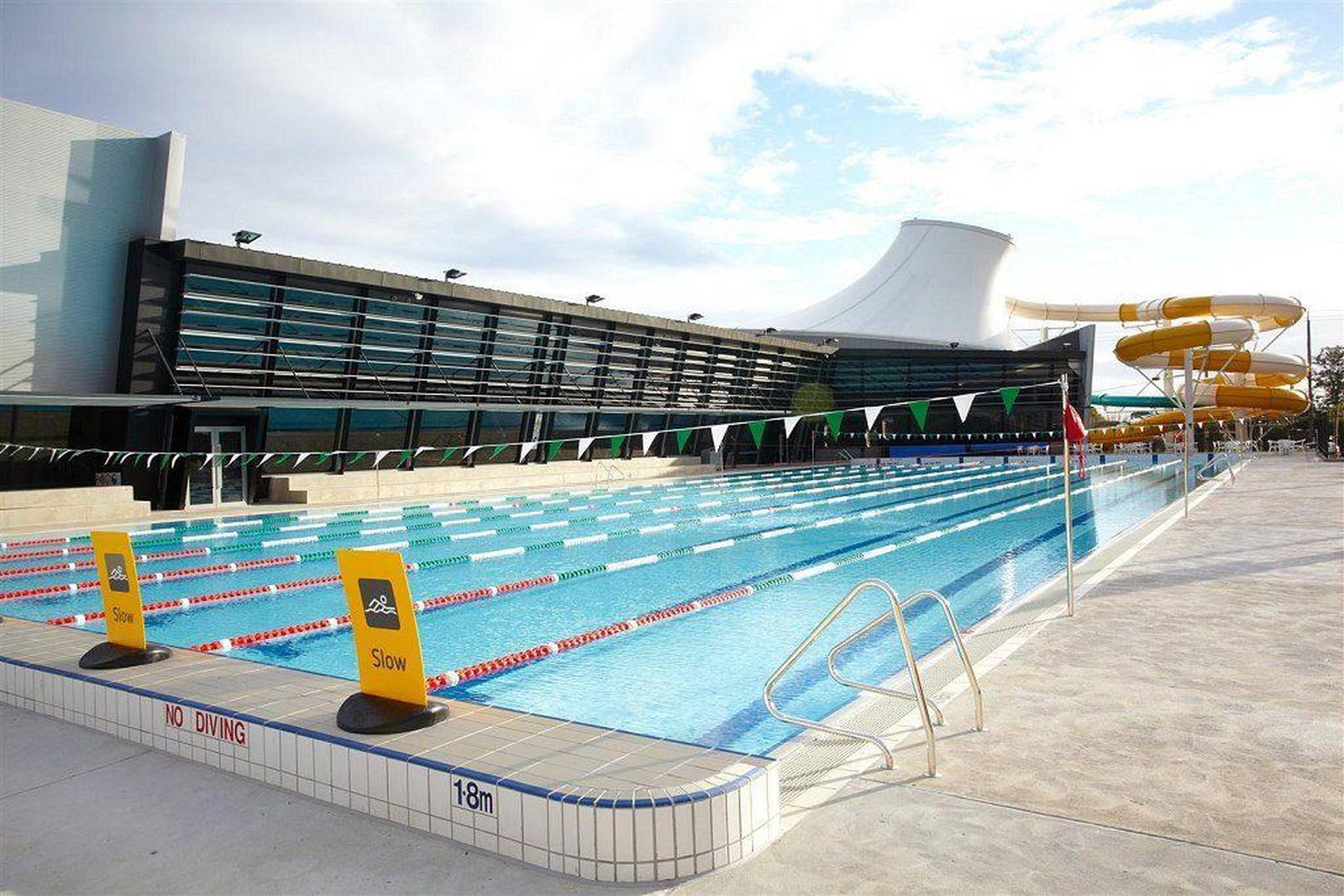
Glen Eira Sports and Aquatic Centre, Victoria
Aquatic centres are becoming community destinations
One of the biggest shifts across the sector is the evolution of aquatic facilities into broader community and wellbeing hubs.
Today’s projects increasingly combine swimming, fitness, wellness, hospitality, and recreation into integrated precincts designed to support wider community outcomes.
The WACA Ground Improvement Project in Western Australia is transforming one of Australia’s most iconic sporting venues into a broader sport, recreation, and community hub incorporating aquatic, wellness, and hospitality facilities alongside elite sporting infrastructure.
These projects demonstrate the growing role aquatic infrastructure plays not just in recreation, but in supporting wellbeing, social connection, and long-term community activation.
Creating facilities communities will use for generations
Aquatic centres are long-term investments in communities.
The most successful facilities are the ones that not only meet today’s needs, but continue to adapt and perform well into the future — operationally, environmentally, and socially.
Across Australia, we’ve worked alongside Councils, schools, sporting organisations, and communities to help deliver aquatic and recreation facilities like the Diving WA Dryland Dive Centre (Western Australia), Waves Fitness and Aquatic Centre Upgrade (New South Wales), City of Melton’s Aquatic Leisure Centre (Victoria), Oak Park Sports and Aquatic Centre (Victoria), PLC Joan Montgomery Centre (Victoria), Northcote Aquatic & Recreation Centre (Victoria), Dandenong Wellbeing Centre (Victoria) and Brunswick Baths Refurbishment (Victoria).
Each project is different, but all share the same focus: creating places communities genuinely want to use, return to, and value for years to come.
Planning an aquatic or leisure infrastructure project?
Whether it’s a new aquatic precinct, a major upgrade, or a broader recreation and wellbeing hub, early planning and experienced project leadership can make a significant difference to project outcomes.
To learn more about our team’s combined national and local experience in aquatic and leisure infrastructure, or to discuss an upcoming project, please reach out to our team below.
Get in touch
Planning a new aquatic or leisure facility, major refurbishment, or sustainability upgrade?
Whether you’re developing a new community precinct, modernising an existing facility or exploring the transition to all-electric operations, our team can help you navigate the complexity from planning through to delivery.
Reach out to Stephanie Hope, Michael Lee or Paul Walpole to discuss your project or connect.
Stephanie Hope is a Director at RP Infrastructure. Since joining in 2010, she has worked across the civic and culture, sport and recreation, education and accommodation sectors, with expertise in business cases, planning, stakeholder consultation, approvals, design management and contract management.
Michael Lee is a Technical Director at RP Infrastructure. With over 15 years’ experience in client-side project management and Superintendent roles, he has delivered sport and leisure, education, residential, government, commercial and aged-care projects, with expertise in design management, contract administration and stakeholder liaison.