
Queensland is entering a defining decade.
With rapid population growth, major infrastructure investment and the 2032 Olympic and Paralympic Games on the horizon, the way we plan and deliver precincts will shape how communities live, connect and grow for generations.
The question is no longer whether precincts matter — it’s how we ensure they perform.
Across the state — in Brisbane and throughout regional Queensland — three factors consistently make the difference.
1. Clear Purpose Creates Confidence
High-performing precincts aren’t just clusters of assets.
They have a clearly defined role in the life of a community.
The strongest precincts answer three critical questions early: Who is this for? What problem does it solve? How will it evolve over time?
When purpose is defined from the outset — and shaped through meaningful engagement — it creates alignment across government and industry. That alignment builds confidence for investors and communities alike.
Without that clarity, precincts risk becoming disconnected projects rather than integrated places.
2. Designing Places People Choose to Gather
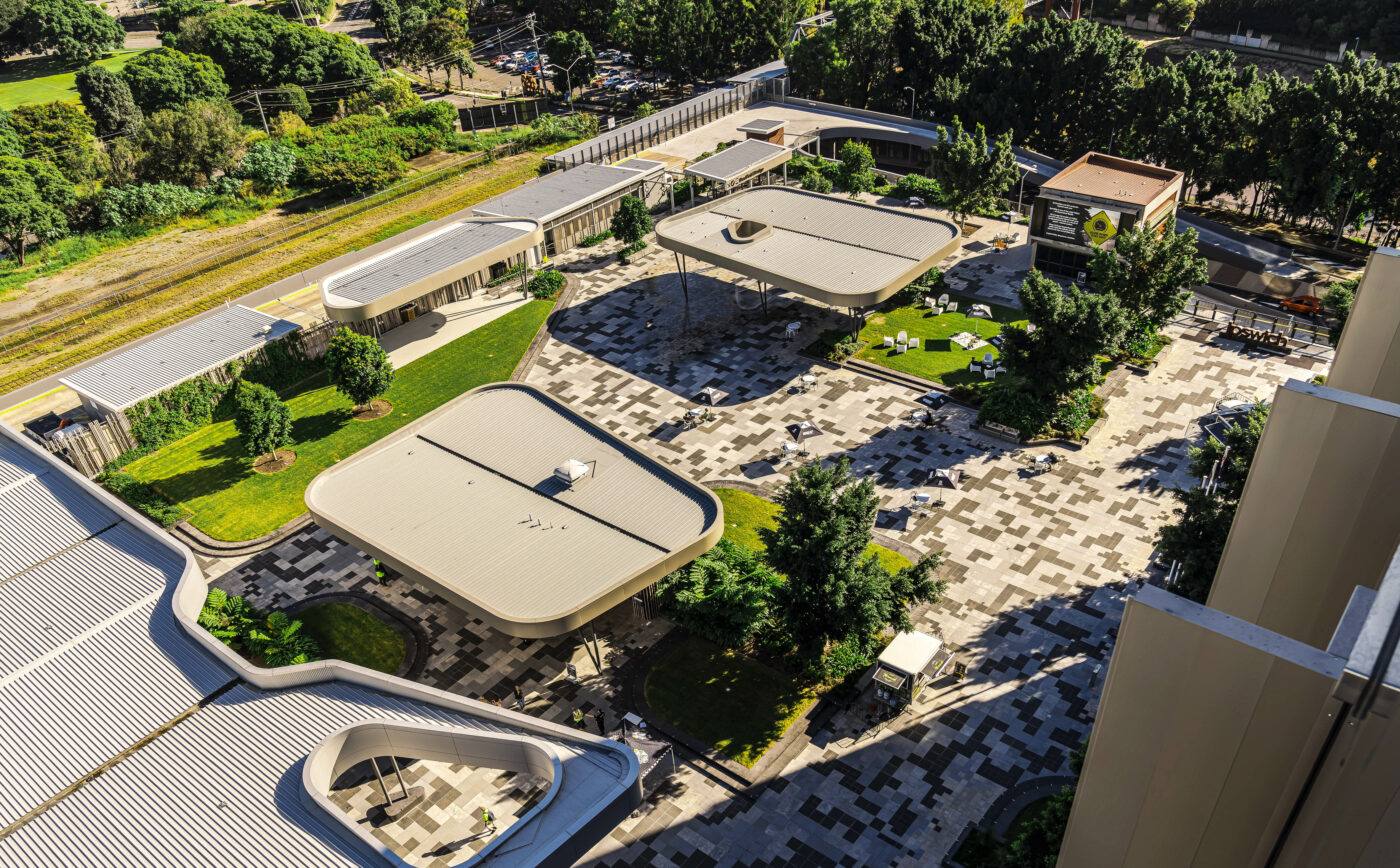
Ipswich, QLD
Precincts perform when people choose to be there — not just move through them.
In Queensland, that often begins outdoors. But increasingly, it extends to civic, cultural and community infrastructure that reflects local identity and supports everyday life.
Across the state, we’re seeing regional centres reimagine open space as connected journeys, sports precincts evolve into multi-use community hubs, civic buildings anchor revitalised town centres, and waterfronts integrated with transport, housing and public realm upgrades.
These gathering places do more than activate land. They create local pride, support health and wellbeing, and encourage people to spend time — and money — locally.
Climate must also be central to design. Shaded, comfortable and inclusive spaces that work year-round are essential in Queensland’s conditions. If precincts aren’t usable in summer, they won’t perform.
3. Partnership Turns Vision into Delivery
Precincts — particularly those connected to Olympic infrastructure — are complex ecosystems.
Every venue needs a precinct. Every precinct relies on transport, utilities, housing and community infrastructure working together.
These outcomes only happen when all levels of government and industry collaborate early — openly — and with a long-term view.
For many local governments, the challenge is significant: accelerating growth, rising community expectations, constrained funding environments and increasing infrastructure demand.
Bridging the gap between ambition and delivery requires experience across the full lifecycle — from early strategy and business case development through to program delivery and long-term asset performance.
At RP Infrastructure, we partner with state agencies and councils across Queensland to do exactly that.
Through our recent merger with DCWC, we’ve strengthened that capability even further — combining deeper advisory expertise with expanded project and asset management experience to support complex, city-shaping precincts across Australia.
4. Building Precincts That Stand the Test of Time
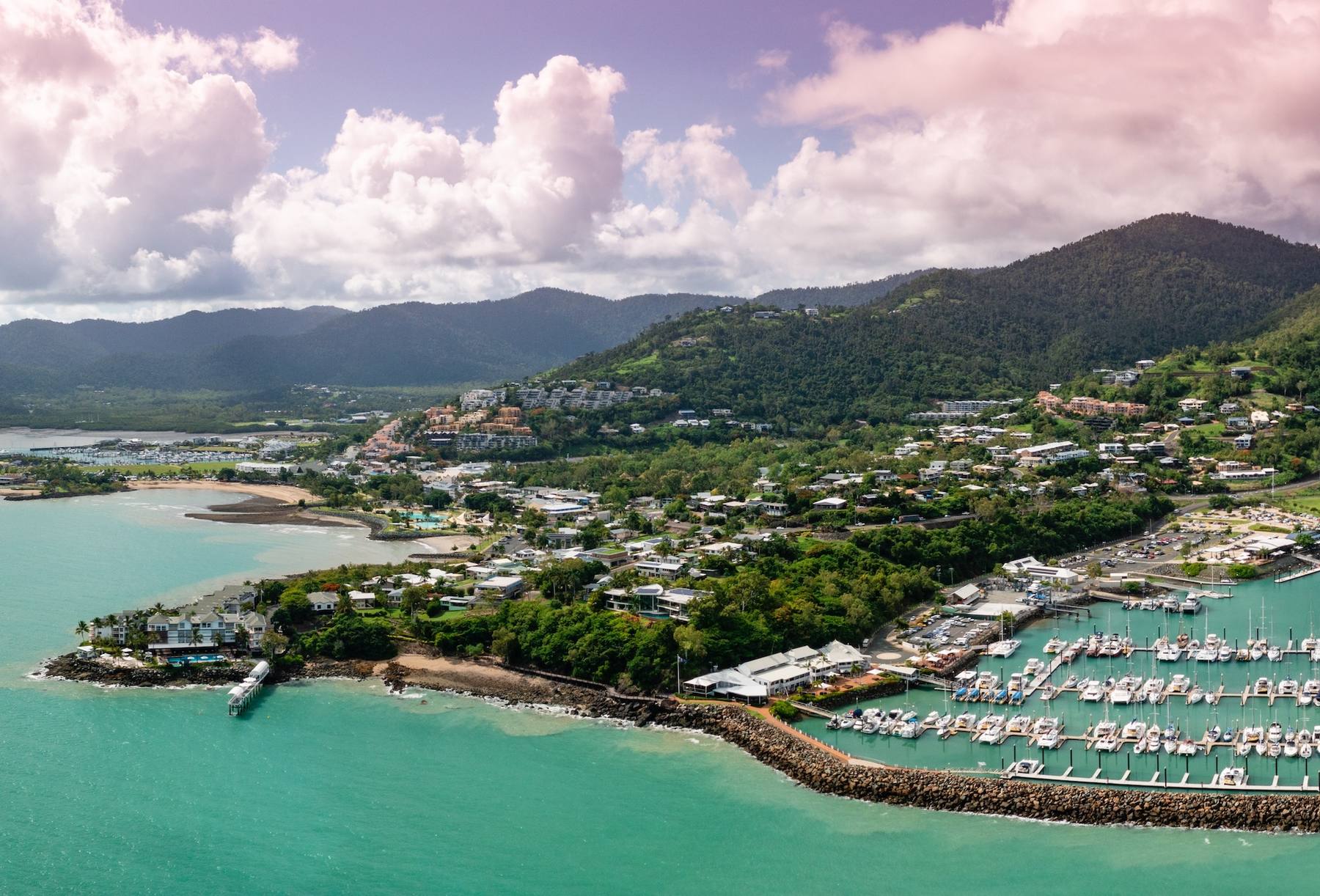
Whitsundays, QLD
Precincts are long-term investments.
When they are shaped by clear purpose, designed as genuine gathering places and delivered through strong partnership, they create enduring economic, social and cultural value.
Queensland’s next generation of precincts will define how our communities function well beyond 2032.
If you’re planning or delivering a precinct and want to ensure it performs long after completion, we’d welcome the opportunity to continue the conversation. Email me here.
Rhys is RP Infrastructure’s QLD Director for Living, bringing 19 years of expertise in diverse institutional projects across a variety of sectors.