
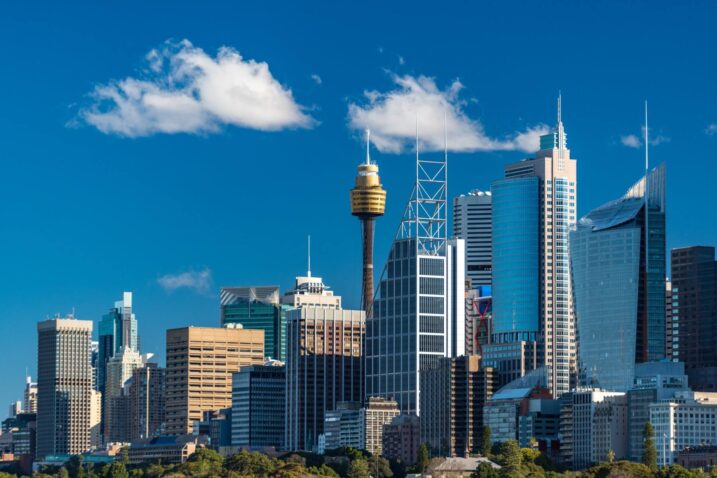
As communities grow and expectations rise, aligning government vision with market delivery has never been more critical.
Across NSW, precincts are reaching a new level of maturity. They are no longer judged simply by what gets built, but by how effectively they deliver long-term social, economic and community value.
Three trends are shaping that shift.
1. Social infrastructure is now the price of growth
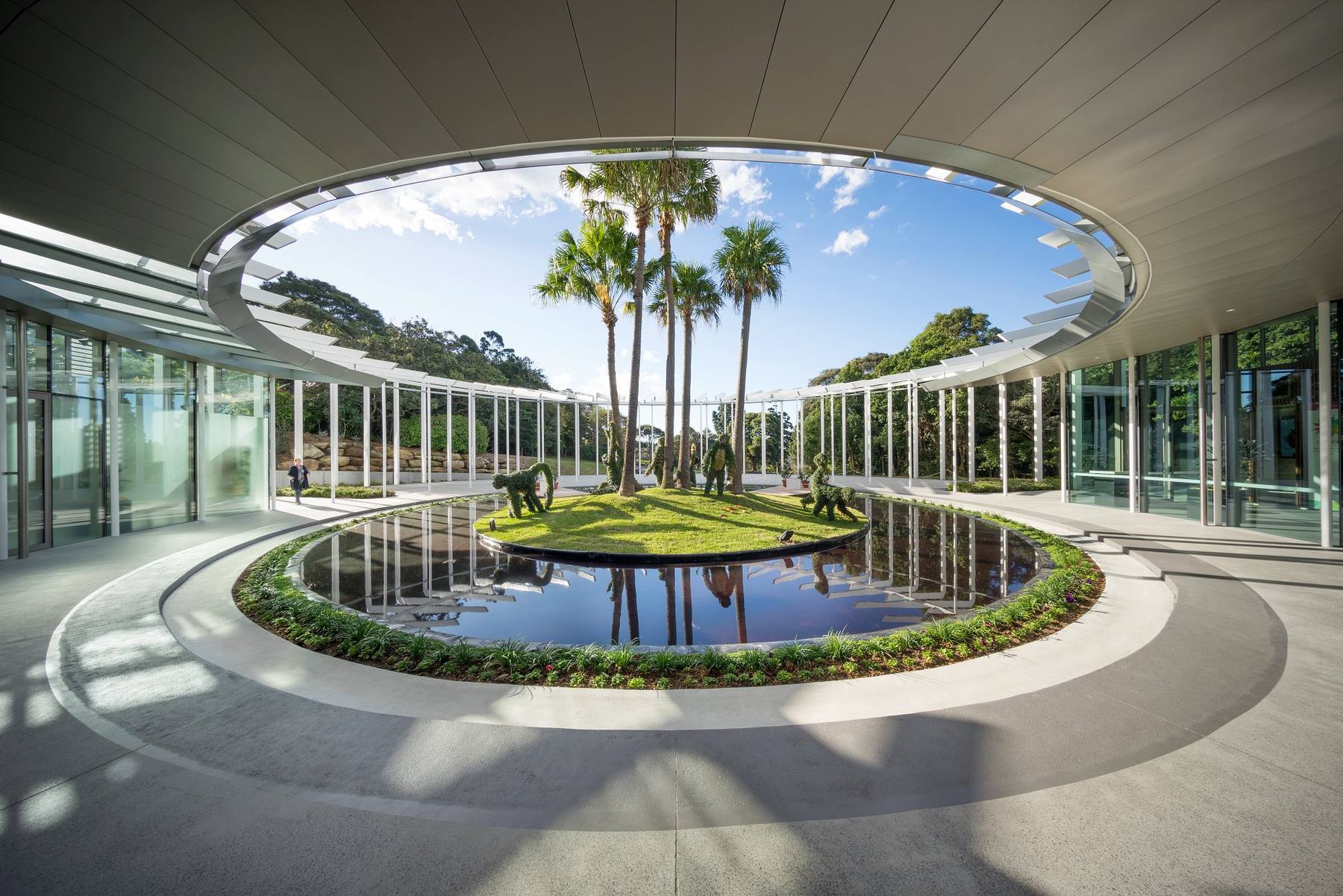
The Calyx, Royal Botanic Gardens & Domain Trust, Sydney
For many years, social infrastructure followed development.
Today, it leads it.
Schools, health facilities, libraries, cultural centres, community hubs and recreation assets are increasingly what define a precinct’s identity and long-term viability. They shape daily life, enable connection and build confidence in growth.
Through our work with councils across Australia — including Hornsby Shire Council and The Hills Shire Council here in Sydney — we are seeing local government invest earlier and more deliberately in social infrastructure. Not because it is simple, but because it underpins liveability, trust and economic resilience.
Precincts are being planned around the full human life cycle — from early learning and education, through civic and cultural infrastructure, to seniors living environments that prioritise connection and shared spaces.
Social infrastructure is no longer the by-product of growth. It is the precondition for it.
2. Funding and risk models are evolving
Land values remain high. Escalation continues to challenge viability. Traditional procurement models are under pressure.
In response, funding and risk allocation across precincts are becoming more sophisticated.
We are seeing greater collaboration in how construction risk is shared — not only in residential development, but increasingly across social infrastructure projects. This shift supports more realistic delivery programs and stronger outcomes.
Structured funding mechanisms such as the Housing Australia Future Fund — while complex — signal an important evolution. Housing and social infrastructure are increasingly being recognised as long-term, investable assets.
Institutional capital is showing interest in social and healthcare property, but it requires governance clarity, procurement certainty and credible delivery pathways.
If NSW is to lead, ambition must be matched by commercial settings that stack up.
3. Designing precincts for real life and resilience
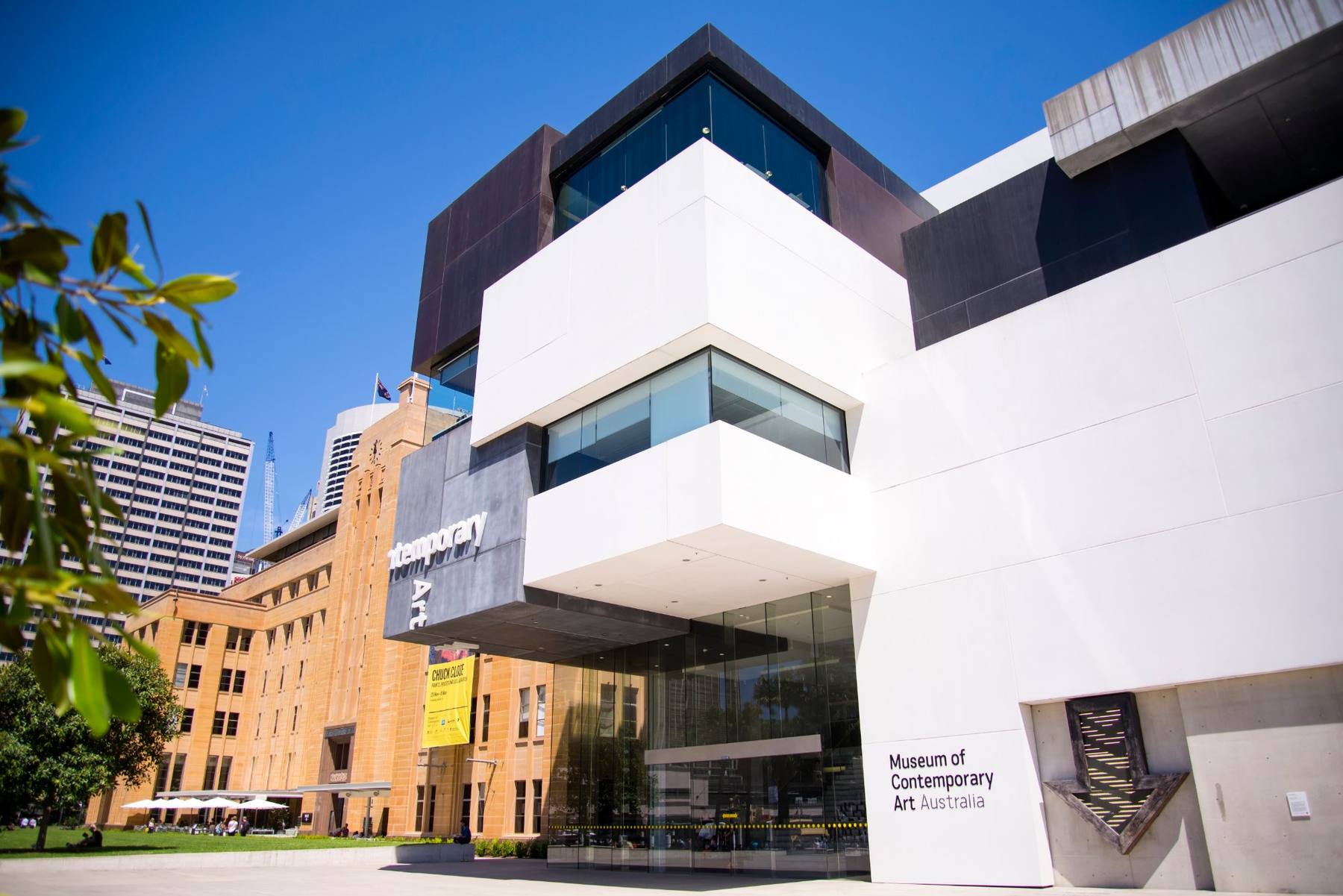
Museum of Contemporary Art redevelopment, where we provided Advisory and Project Management Services
The third shift is about how precincts function day to day — and how they endure.
Good precincts are planned around how people live, not just how buildings sit.
That means walkability, integrated transport and services, mixed-age communities and activation that reflects hybrid work patterns. It also means responding to climate pressures — cooling strategies, flood resilience in growth corridors such as Parramatta, and long-term energy planning in a context of rising demand.
These principles are not theoretical. On major regeneration programs in the UK, complex sites only progressed when national government, local authorities and industry aligned funding, infrastructure and delivery around a shared precinct vision.
The same lesson applies in NSW.
Partnering better
Taken together, these trends signal a decisive shift.
Precincts in NSW are moving from property outcomes to human outcomes.
Delivering that shift requires government and industry to partner better — aligning planning, governance, funding and risk allocation from the outset.
At RP Infrastructure, we partner with government and industry clients across the full lifecycle of property and infrastructure projects, supporting precincts of all scales across Australia.
Following our recent merger with DCWC, our advisory, project management and cost management capability has been further strengthened — enabling us to support increasingly complex and integrated precinct delivery.
As NSW continues to grow, the opportunity is clear: to build precincts that are commercially viable, socially resilient and designed around people.
If you’re currently shaping a precinct or planning a future project, I’d welcome the opportunity to connect and discuss how we might collaborate. You can email me here.
Michael King is RP Infrastructure’s NSW Director for Living, bringing over 24 years’ experience in major building projects in complex CBD environments.